Complete Guide to Everest Base Camp Trek with Helicopter Return – Duration, Cost & Highlights
- soleencounters
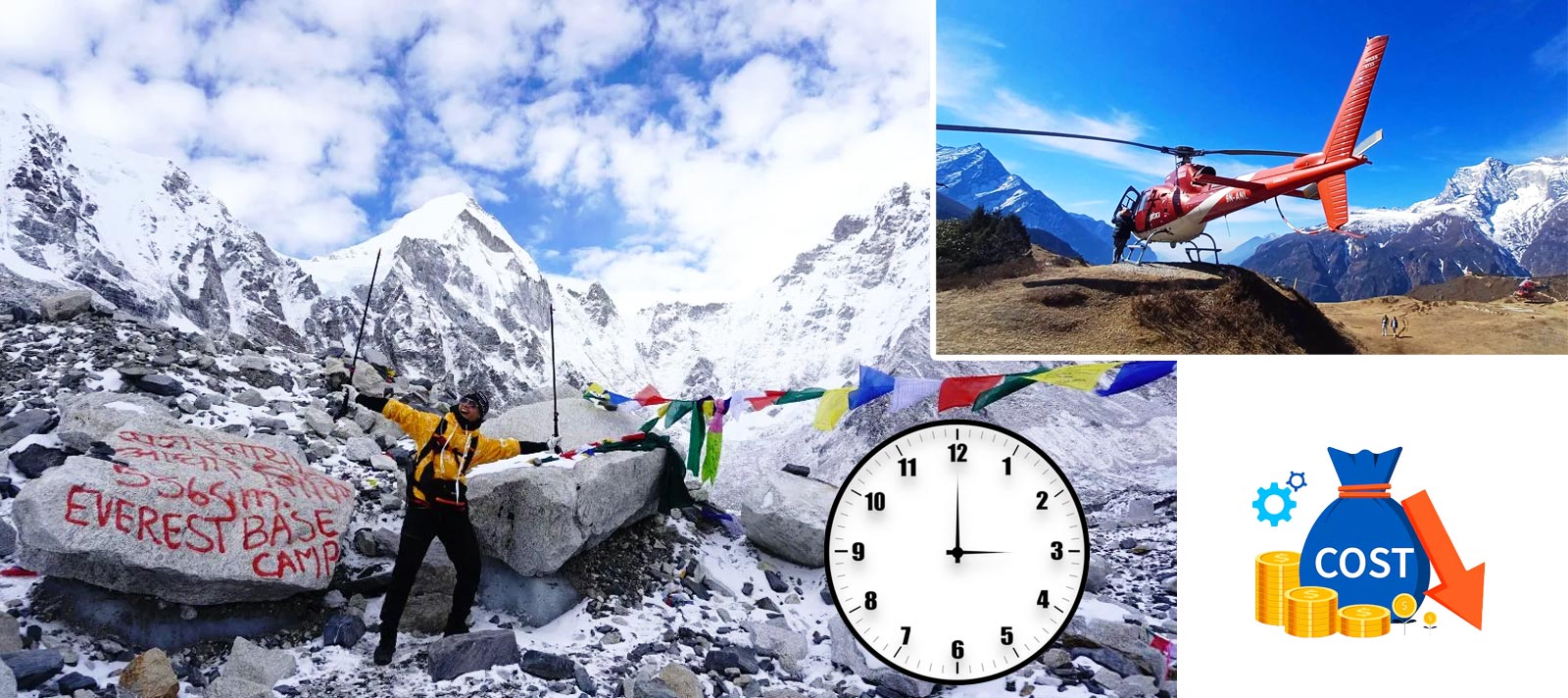
The Everest Base Camp Trek with Helicopter Return is one of the most sought-after trekking experiences in Nepal, combining the thrill of trekking through the world’s most iconic mountain trails with the comfort of a luxurious helicopter ride back. Unlike the traditional trek that requires retracing the same trail back to Lukla, this itinerary allows trekkers to save time, avoid fatigue, and enjoy panoramic aerial views of the Himalayas.
Table of Contents
At Sole Encounters Trekking Pvt. Ltd., we specialize in crafting memorable journeys to the heart of the Everest region. This guide covers everything you need to know about the Everest Base Camp trek with helicopter return, including trip duration, cost, highlights, best time to visit, and insider tips from local experts.
Why Choose Everest Base Camp Trek with Helicopter Return?
The Everest Base Camp trek has been a dream for adventurers worldwide. Adding a helicopter return makes it an exceptional choice for those seeking a blend of adventure and luxury. Key reasons include:
-
Save 3–4 days by avoiding the same return trail.
-
A comfortable and quick way back to Lukla after reaching Everest Base Camp.
-
Aerial views of Mount Everest, Lhotse, Nuptse, Ama Dablam, and the Khumbu Glacier.
-
Ideal for trekkers with limited time or those who prefer not to repeat the long descent.
-
A once-in-a-lifetime combination of trekking challenge and scenic helicopter flight.
For complete details of this package, visit our trip page: Everest Base Camp Trek with Helicopter Return to Lukla.
Trek Duration and Itinerary Overview
The Everest Base Camp Trek with Helicopter Return typically takes 10 to 12 days, depending on your pace, acclimatization needs, and flight schedules.
Standard Itinerary
-
Day 1: Fly from Kathmandu to Lukla (2,860m) and trek to Phakding.
-
Day 2–3: Trek to Namche Bazaar (3,440m) and acclimatize.
-
Day 4: Trek to Tengboche (3,860m), home to the famous Tengboche Monastery.
-
Day 5: Trek to Dingboche (4,410m).
-
Day 6: Acclimatization and exploration around Dingboche.
-
Day 7: Trek to Lobuche (4,910m).
-
Day 8: Trek to Gorak Shep and hike to Everest Base Camp (5,364m). Overnight at Gorak Shep.
-
Day 9: Hike to Kala Patthar (5,545m) for sunrise views of Everest, then board the helicopter flight back to Lukla.
-
Day 10–11: Buffer days for weather or return to Kathmandu.
This carefully designed route ensures gradual acclimatization while maximizing the highlights of the Khumbu region.
Cost of Everest Base Camp Trek with Helicopter Return
The cost of the trek varies depending on group size, accommodation style, and services included. On average, the package costs USD 2,200 – 3,500 per person.
What’s Included
-
Domestic flights (Kathmandu–Lukla and helicopter Lukla–Kathmandu).
-
Licensed, experienced trekking guide and porter.
-
Accommodation in teahouses and lodges.
-
Meals during the trek.
-
Sagarmatha National Park and Khumbu Rural Municipality permits.
-
Airport transfers.
What’s Not Included
-
International airfare.
-
Personal insurance.
-
Extra snacks, drinks, and hot showers.
-
Tips for guides and porters.
For a personalized cost breakdown, reach out via our contact page or talk to our experts.
Best Time to Do the Everest Base Camp Trek with Helicopter Return
The trek is best undertaken during the clear-weather trekking seasons:
-
Spring (March to May): Rhododendrons in bloom, mild temperatures, and crystal-clear mountain views.
-
Autumn (September to November): Stable weather, excellent visibility, and peak trekking season.
-
Winter (December to February): Fewer crowds and crisp skies, but colder temperatures at higher altitudes.
-
Monsoon (June to August): Not recommended due to heavy rain and cloudy skies.
Both spring and autumn are ideal for combining trekking and helicopter flights, ensuring safe landings and spectacular views.
Major Highlights of the Trip
The Everest Base Camp trek is full of cultural, natural, and adventure highlights. Adding a helicopter return enhances the experience with unforgettable aerial panoramas.
-
Everest Base Camp (5,364m): Stand at the base of the world’s highest mountain.
-
Kala Patthar Sunrise (5,545m): The best close-up viewpoint of Mount Everest.
-
Namche Bazaar: The bustling Sherpa town, also known as the “Gateway to Everest.”
-
Tengboche Monastery: Spiritual center of the Khumbu region with panoramic mountain backdrops.
-
Helicopter Flight Over the Himalayas: A rare opportunity to see the Everest massif and Khumbu Glacier from above.
-
Sherpa Culture & Hospitality: Unique insight into the lifestyle of mountain communities.
For trekkers who want to explore alternatives, check out our Everest Region Treks.
Tips for a Successful Trek
-
Train well in advance with cardio, hiking, and strength exercises.
-
Acclimatize properly; do not skip rest days.
-
Stay hydrated and maintain a balanced diet during the trek.
-
Carry travel insurance that covers high-altitude trekking and helicopter evacuation.
-
Pack wisely with layers, down jackets, and sturdy trekking boots.
Our guides at Sole Encounters Trekking provide personalized support and local expertise to ensure your journey is safe, rewarding, and memorable.
Conclusion
The Everest Base Camp Trek with Helicopter Return is the perfect blend of adventure and luxury in the Himalayas. It allows you to experience the breathtaking trails of the Khumbu Valley, immerse yourself in Sherpa culture, and finally enjoy an unforgettable helicopter ride over the tallest peaks on Earth.
If you dream of experiencing the best of Everest in a shorter, more comfortable way, this trek is for you. Begin your journey today by exploring our detailed trip itinerary here: Everest Base Camp Trek with Helicopter Return to Lukla, or contact us for expert guidance in planning your Himalayan adventure.
Recent Posts
.jpg)
3rd Jul, 2025
.jpg)
4th Jul, 2025
.jpg)
4th Jul, 2025
.jpg)
7th Jul, 2025
.jpg)
8th Jul, 2025
.jpg)
8th Jul, 2025
.jpg)
8th Jul, 2025

10th Jul, 2025